WRKSHP Blog
The nitty & the gritty
It's 2014 and I'm at a secret meeting at Ableton HQ
This goes aaallll the way back to 2014. When I was invited to visit the Ableton headquarters in Berlin. And to say I was excited would be an understatement.
You see, I’d been running workshops for Ableton for a little while at this point as their Product Specialist in Europe. Sharing my passion and teaching others about Push (what a dream gig that was). Big shout out to Jan van der Gaag for bringing me into that world.
Now, while I was visiting the Ableton headquarters in Berlin. I got to see behind the scenes on some of the stuff they were working on. Including the (at the time) unreleased Push 2 👀.
I also got to meet Jesse Terry, Ableton’s head of hardware and the mind behind Push.
He showed me something I wasn’t expecting; photos of a Lego prototype of the Push. It was a kind of Frankenstein Push. All cobbled together with a series of pads and bits of Lego, all chopped up together. It looked crazy.
But as Jesse showed me these images he also swore me to secrecy. Ableton always liked to keep their cards close to their chest, especially back then. And so I agreed to not share anything. I had sworn to take their secrets to my grave!
But very recently the original Push prototype was inducted into the culturally significant instrument collection of the Powerhouse museum in Australia.
And so Jesse, and Ableton, lifted the veil on some of the behind-the-scenes work and thinking which went into the Push.
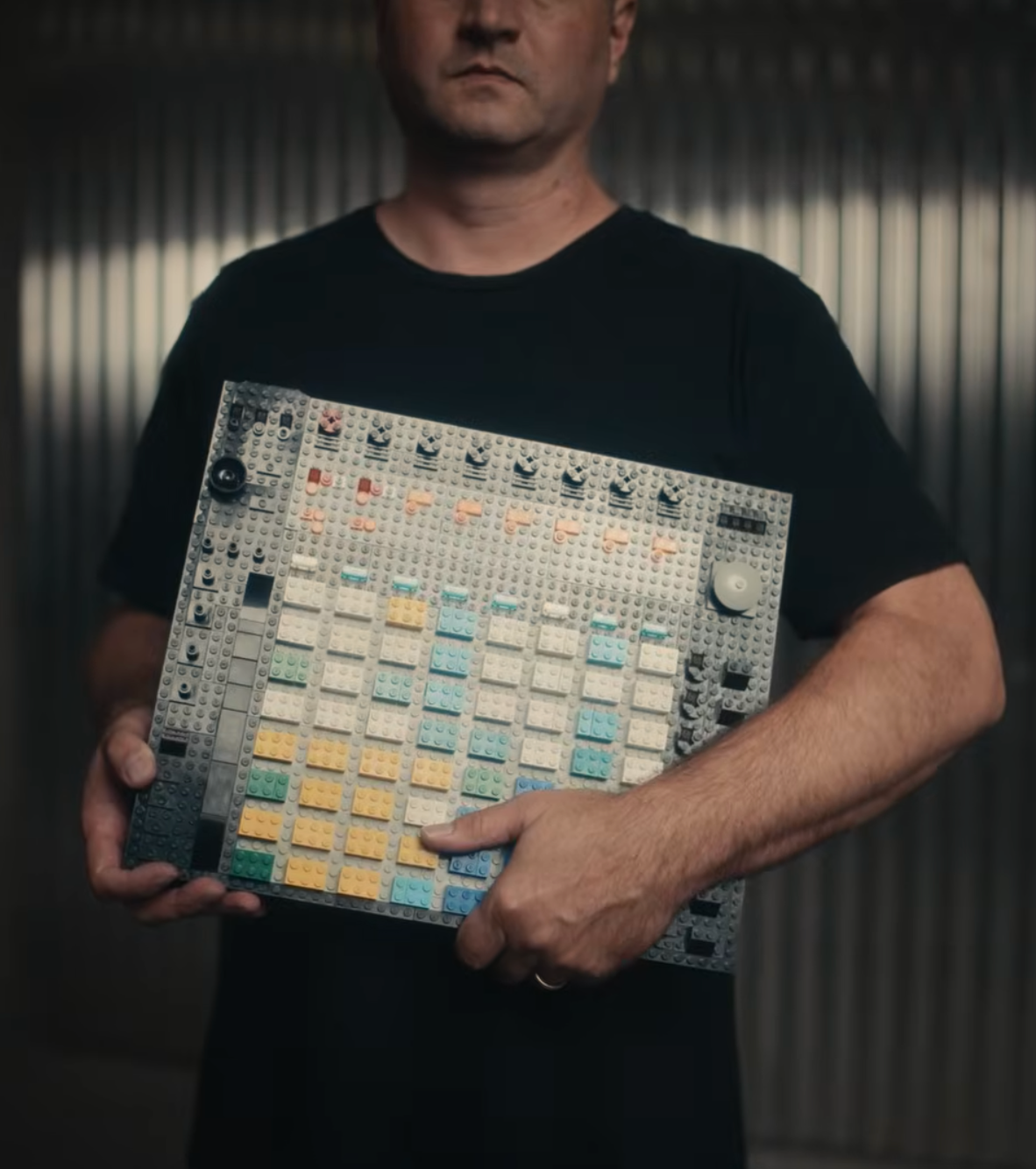
Jesse Terry holding his Lego Push prototype.
One of the things Jesse said about his thinking behind the Push was:
“We wanted an instrument that anyone can play, without much training, but that would allow for virtuosity if mastered.”
- Jesse Terry
And I think this sums up so perfectly what Push is.
It’s so intuitive and connects with Ableton so well that it’s easy for anyone to pick up.
And yet it has real depth. If you invest some time exploring its full capabilities. And practice playing it. You can play this machine like a virtuoso plays any other instrument.
That depth isn't just baked into the hardware, though. It's baked into the story behind it too.
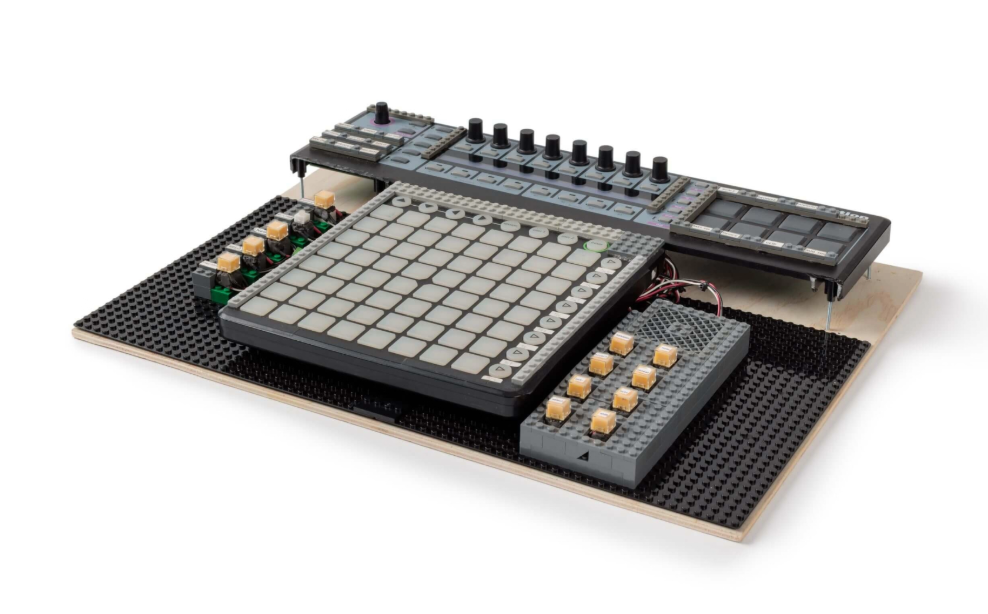
The original Push prototype. Now inducted into the culturally significant instrument collection of the Powerhouse museum in Australia.
Ableton themselves used to be a lot more guarded. But I feel that's shifted lately. They're showing up more on YouTube, Discord, social media, letting people in behind the curtain a bit more than they used to.
It's got me thinking about my own version of that. There are things I've hinted at over the years, ideas I've mentioned but never actually explored properly. And until someone asks, it's easy to just leave them be.
So here's an open invite: what do you want to hear more about?
Could be Push tips. Live performance advice. Help with Ableton Live. Sound design. Finishing more music. How I work / an AMA. Or anything else?
Go to the contact page and and let me know!
Warm regards,
Andri
P.S. Check out this video collab between Ableton and the Powerhouse museum which dives deeper into the story of the original Push.
P.P.S. Want to stop feeling like a Push amateur? Start your journey to becoming a Push virtuoso: click here to access the Push 3 Bible